Welcome to the world of boxing, where skill, discipline, and adrenaline collide! If you've ever had an interest in this captivating sport but felt overwhelmed or unsure of how to get started, then this guide is for you. Here, we will demystify the art of boxing and provide you with the fundamental knowledge you need to embark on your boxing journey.
Boxing is a combat sport that combines strength, speed, strategy, and endurance. It involves two opponents wearing protective gloves, throwing punches at each other with the goal of outscoring or knocking out their rival. It's no wonder that boxing has fascinated people for centuries, from its roots in ancient Greece to its modern-day status as a beloved Olympic event.
To begin your boxing journey, let's start with the basic stance. Stand with your feet shoulder-width apart, one foot slightly in front of the other, knees slightly bent, and your non-dominant side towards your opponent. This stance offers balance, stability, and allows for quick movements in any direction. Keep your hands up, with your lead hand (the one closer to your opponent) protecting your face and your rear hand (the one farther from your opponent) ready to strike.
Essential Techniques: Mastering the Art of Boxing
Boxing is not just about throwing punches; it is an art that requires skill, precision, and discipline. If you are looking to demystify the art of boxing and become a proficient boxer, mastering a few essential techniques is crucial. In this section, we will break down some fundamental techniques that will help you improve your boxing game.
Proper Stance: The foundation of boxing lies in your stance. Your feet should be shoulder-width apart, with one foot slightly in front of the other. Bend your knees slightly, maintain a good posture, and keep your hands up to protect your face. This position allows you to move quickly, maintain balance, and defend against incoming strikes.
Jab: The jab is one of the most important punches in boxing. It is quick, straight, and can be used to both set up combinations and keep your opponent at bay. To throw a jab, extend your lead hand quickly, rotating your shoulder and hips with the punch. Remember to retract your hand immediately to avoid leaving yourself vulnerable.
Footwork: Effective footwork helps you control the ring, maintain balance, and create angles to attack or evade. Practice moving lightly on the balls of your feet, allowing you to switch directions swiftly. Mastering footwork requires agility, timing, and constant practice. Pay attention to your foot positioning to ensure you have a solid base from which to launch your attacks or defend against your opponent.
Training Tips: Building Strength and Endurance for Boxers
Boxing is not just about throwing punches. It requires immense strength and endurance to excel in the ring. Whether you're a seasoned boxer or just starting out, incorporating specific training techniques into your routine can give you the edge you need. Here are some tips to help you build the strength and endurance required to become a formidable boxer.
Strength training is essential for boxers as it enhances punching power and improves overall performance. Focus on compound exercises like squats, deadlifts, and bench presses, which target multiple muscle groups simultaneously. Additionally, compound movements will help develop core stability, essential for generating power in punches. As you progress, gradually increase the weight or resistance to continually challenge your muscles.
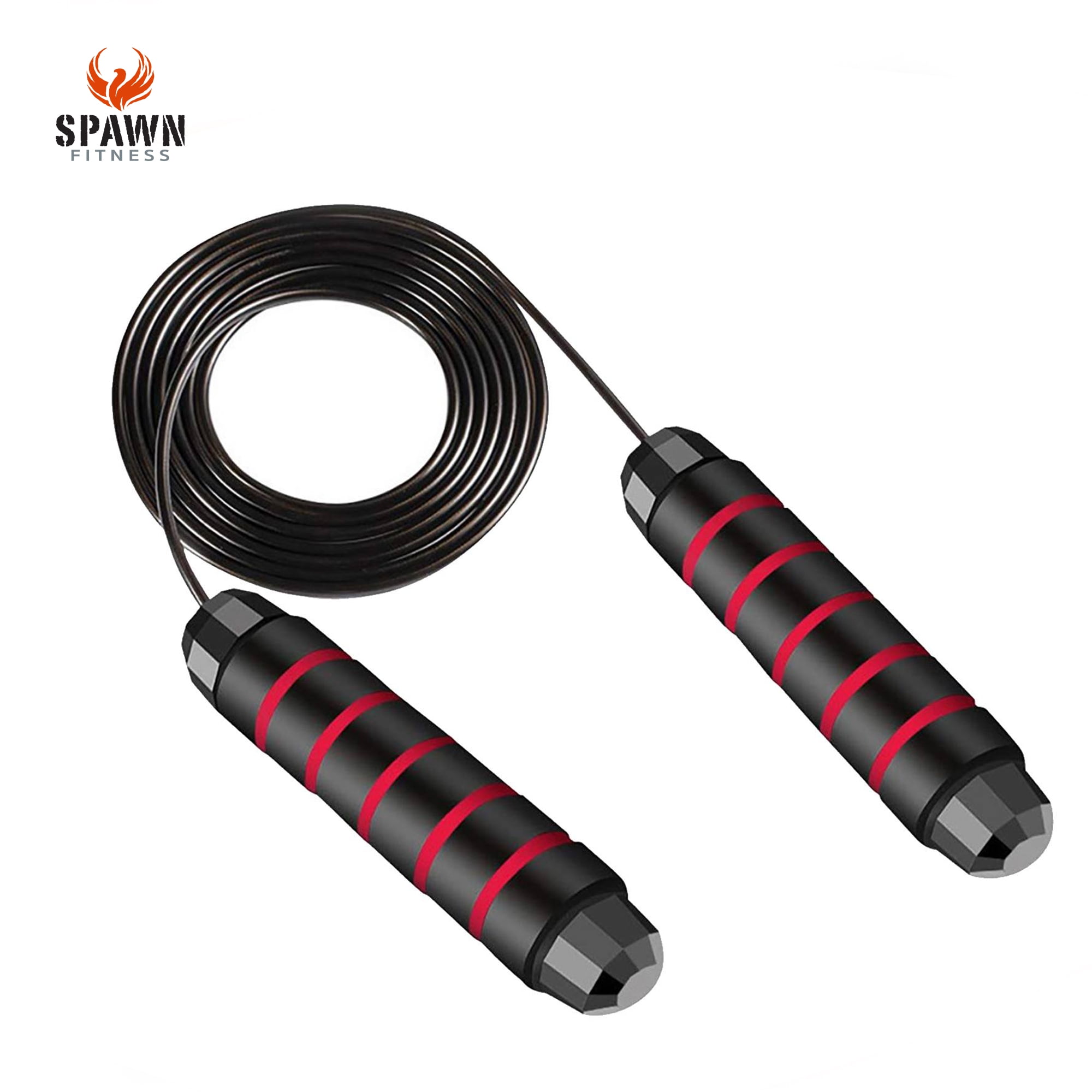
Endurance is equally crucial for boxers, as fights can go for several rounds. Incorporate cardiovascular exercises such as running, skipping rope, or cycling into your training regimen to improve stamina. High-intensity interval training (HIIT) is particularly effective for boxing, as it simulates the bursts of intense effort followed by recovery periods experienced during fights. Aim to alternate between short, intense sprints and periods of active recovery to boost your endurance.
Remember to give your body time to recover. Overtraining can lead to injuries and hinder progress. Incorporate rest days into your training schedule and prioritize quality sleep to allow your muscles to repair and grow stronger. Lastly, don't forget to fuel your body with the right nutrients. A balanced diet consisting of lean proteins, complex carbohydrates, and healthy fats will provide the energy you need to train and perform at your best.
The Mindset of Champions: Mental Preparation in Boxing
Boxing is not just about physical strength and stamina; it is also a battle of the mind. The mindset of champions is as crucial as their physical preparation. Mental preparation plays a significant role in a boxer's success inside the ring. In this section, we will explore the key aspects of the mindset of champions and how they mentally prepare for their fights.
One essential element of a champion's mindset is confidence. Confidence stems from the belief in one's abilities and training. Boxers spend countless hours in the gym, honing their skills and perfecting their techniques. This rigorous training builds their confidence, allowing them to step into the ring with self-assurance and a winning mindset, regardless of the opponent.
Visualization is another powerful tool used by champions to mentally prepare for their fights. Before stepping into the ring, boxers visualize their strategies, moves, and victorious outcomes. They create a mental movie of the fight, visualizing every punch, dodge, and counter. Visualization helps them develop a familiarity with the fight, so that they can react instinctively and decisively when the time comes.
Mental resilience is yet another crucial aspect of a champion's mindset. Boxing is a physically and mentally grueling sport, and champions must be mentally tough to endure the challenges they face in the ring. They train themselves to stay focused and composed, even in the face of adversity. This mental resilience enables them to bounce back from setbacks, adapt to changing circumstances, and maintain a winning mentality throughout the fight.